Cottonwood Heights best Deck Builder for Custom Outdoor Living Spaces
Cottonwood Heights best Deck Builder for Custom Outdoor Living Spaces
Blog Article
Custom Deck Architect for Your Perfect Outdoor Space
A bespoke platform can transform an standard yard into a personal retreat. It acts not only as an decorative upgrade but also adds value to the residence. Skilled builders understand the nuances of planning, selecting materials, and usability. They can construct spaces that suit unique living styles. However, picking the right builder and components can be overwhelming. As residents contemplate their possibilities, what vital features should they emphasize in their bespoke deck layout?
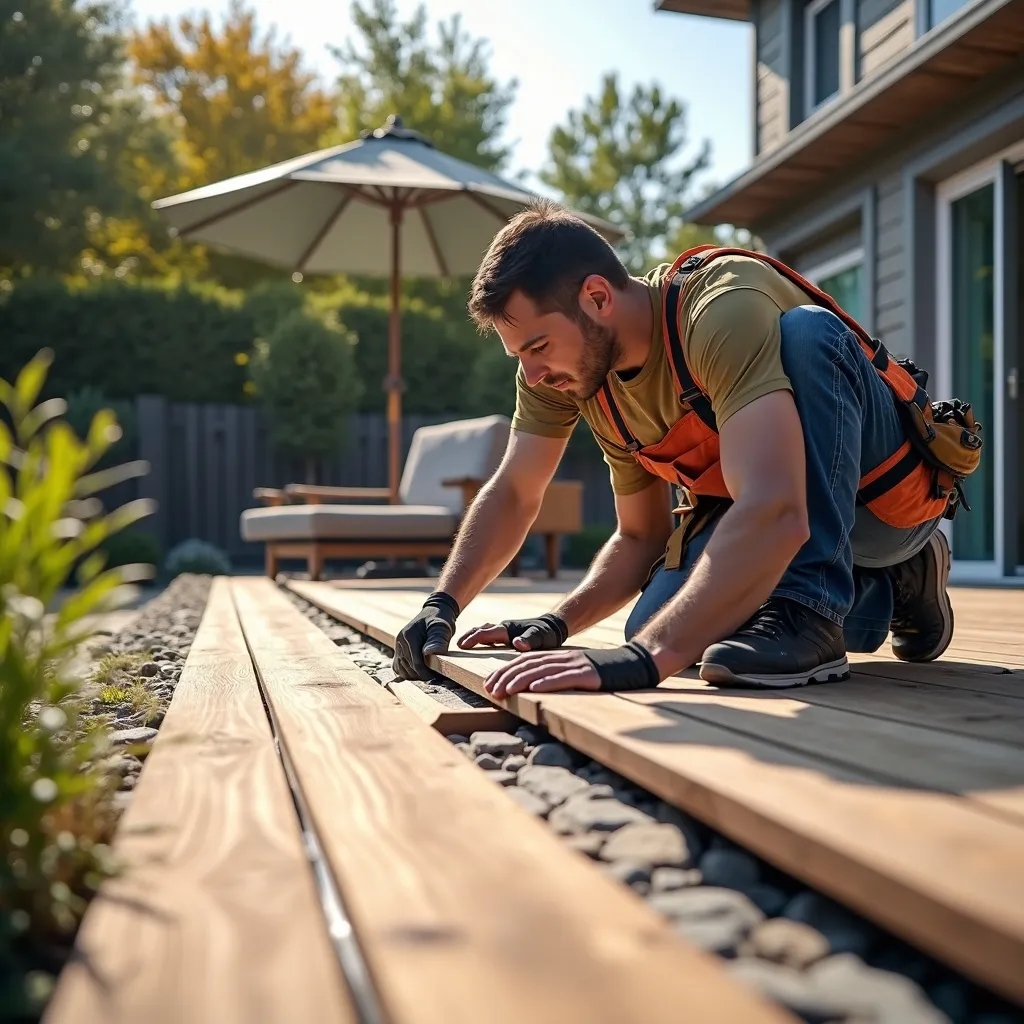
Reasons to Opt for a Custom Deck
The allure of a custom deck lies in its potential to revamp outdoor spaces into tailored retreats. Homeowners often seek a unique outdoor area that mirrors their style and meets specific needs. A custom deck can fulfill various functions, whether it is for greeting visitors, enjoying quiet moments, or facilitating family gatherings. This tailored approach allows for consideration of size, shape, and materials that blend with the existing landscape and architecture.
Furthermore, a custom deck improves property value, making it a compelling investment for property owners. The versatility in design can accommodate features like integrated seating, planters, or even outdoor kitchens, further enriching the outdoor experience. Additionally, the chance to customize allows individuals to design a space that aligns with their lifestyle, ensuring that the deck is not just an addition to the home but a essential component of daily life, fostering connection with nature and loved ones.
Key Aspects for Your Custom Deck Configuration
When outlining a custom deck, settling on the correct materials is essential for wear resistance and visual beauty. Additionally, considering design functionality confirms that the setting meets the owner's specifications and strengthens operational efficiency. Together, these attributes profoundly influence the overall success of the made-to-order deck assignment.
Material selection plays a crucial role
Picking the right options is critical for a custom deck design, as it directly determines both aesthetics and durability. The choice between wood, composite, and PVC can greatly shape the overall look and longevity of the deck. Natural wood offers natural warmth and visual appeal but requires regular attention to prevent rot and weathering. In contrast, composite materials provide a more durable option, resisting fading and staining while jump in requiring less upkeep. Additionally, green choices are becoming increasingly popular, appealing to homeowners prioritizing sustainability. The material selected also impacts costs, with each type presenting different price points. Ultimately, thoughtful material selection contributes to a deck that not only complements the outdoor space but also stands the test of time.
Design Feature Factors
Designing a tailored deck entails careful consideration of purpose to enhance its usability and enjoyment. Key features should include designated areas for dining, resting, and hosting, guaranteeing that each space fulfills its task properly. Including permanent seating can boost space efficiency, while balustrades and lights raise safety and environment. Consideration of ease of access is vital, particularly for households or company with mobility impairments; access ramps or wide routes can ease comfortable navigation. Additionally, adding storage solutions for deck furniture and extras helps maintain a tidy environment. Ultimately, a thoughtfully created deck should seamlessly blend design with practical elements, developing an welcoming outdoor space that accommodates the owner’s living style and preferences.
Choosing the Best Deck Builder Suited to You
How does one choose the perfect deck builder for their job? Selecting the right deck builder requires thoughtful evaluation of several elements. First, prospective homeowners should assess the builder's background and skill in constructing personalized deck structures. A builder with a strong body of work demonstrates their ability and style. Additionally, reading client testimonials and feedback provides insights into the builder's reliability and quality of work.
Another important factor is verifying licenses and insurance. A reliable deck builder should hold the needed permits and insurance to shield both the client and the builder during the project. Moreover, acquiring multiple quotes permits clients to contrast pricing and services, making sure they receive the best value for their investment.
In conclusion, effective dialogue is vital. A builder who pays attention to the client's needs and presents ideas builds a cooperative setting, in the end producing a positive deck-building experience.
Key Questions for Your Deck Builder?
After identifying the right deck builder, clients should create a set of key questions to guarantee all aspects of their project are thoroughly covered. Essential inquiries include the builder's background and past projects, which help evaluate their expertise. Clients should also ask about the materials employed, confirming they align with their preferences for durability and aesthetics.
Questioning the project timeline is critical; knowing how long the deck construction will take helps clients make proper arrangements. Clients should also discuss warranties and post-construction services, including maintenance options. It's important to detail the process for securing necessary permits and whether the builder will take on this task.
Moreover, clients should explore the contractor's style of interaction and availability during the project. A transparent conversation creates a teamwork environment. These key inquiries will offer understanding, ensuring a productive relationship and a properly built deck that improves the outdoor space.
Financial Planning for Your Bespoke Deck
When assessing a custom deck, comprehending the financial aspect is vital for property owners. Establishing a explicit budget plan allows for informed decisions regarding construction supplies, size, and architectural elements. Homeowners should start by calculating their overall budget, considering factors such as potential financing options and existing savings.
Following this, they should assess the cost elements of varied material types, such as wood, composite, or PVC. Each choice ranges in price and longevity, determining both initial investment and long-term maintenance costs.
In addition, worker costs should be taken into account, including contracting with an expert versus DIY efforts. Homeowners must also evaluate possible authorizations and assessments that may surface during construction.
Maintaining Your Personalized Deck: A Handbook
Maintaining a custom deck requires routine attention to preserve its durability and visual attractiveness. Homeowners should start by cleaning the deck frequently to remove dirt, debris, and mold. A gentle scrub with soap and water, or a specialized deck cleaner, is often sufficient. It is also essential to inspect the deck for any signs of wear, such as loose boards or rusted nails, which should be addressed promptly to prevent further damage.
Sealing the deck every few years is essential to guard it against moisture and UV exposure. Various surfaces may require specific sealants, so consulting with a professional can be valuable. In addition, regular sweeping and removing snow or debris in winter will help maintain its integrity. Finally, placing protective pads under heavy items can prevent scratches and dents, helping maintain the deck’s pristine look. Consistent maintenance ensures the deck stays a clean and functional outdoor space for years to come.
Common Questions Asked Frequently
What Timeframe Should You Anticipate When Building a Tailored Deck?
Generally, building a tailored deck takes approximately one to three weeks, depending on the design complexity, selected materials, and weather conditions. Strategic planning and preparation can streamline the workflow, ensuring on-time completion.
What Materials Function Best in Different Climates?
Timber options like cedar thrive in temperate climates, while composite materials withstand moisture in humid areas. In regions with extreme temperatures, aluminum offers strength, and treated lumber provides defense against pests and weathering.
Is it Feasible to Include Additions Afterwards, Such as Lighting or Seating?
Yes, extra additions such as lighting or seating can be included later. A strategically organized design permits for future updates, ensuring versatility to shifting requirements and boosting the complete performance and visual quality of the space.
Do Licenses Have to be Secured for Made-to-Order Deck Building?
Yes, authorizations are usually mandatory for custom deck construction. Standards change by location, so it's vital for house owners to inquire with community officials to guarantee compliance with zoning laws and structural standards before beginning the project.
How Do I Select the Right Deck Color and Treatment?
Identifying the suitable deck color and finish demands considering the home's exterior, surrounding landscape, and individual preference. Samples should be evaluated in different lighting, making certain the final choice matches the overall visual appeal while providing durability.
Report this page